
Eye Care Program
Implementing cataract surgeries for those in need. Support us with your donation to give the gift of sight.

Clear Vision, Brighter Future
Providing Safe, Affordable, and Expert Vision Services for You and Your Family.
About Us
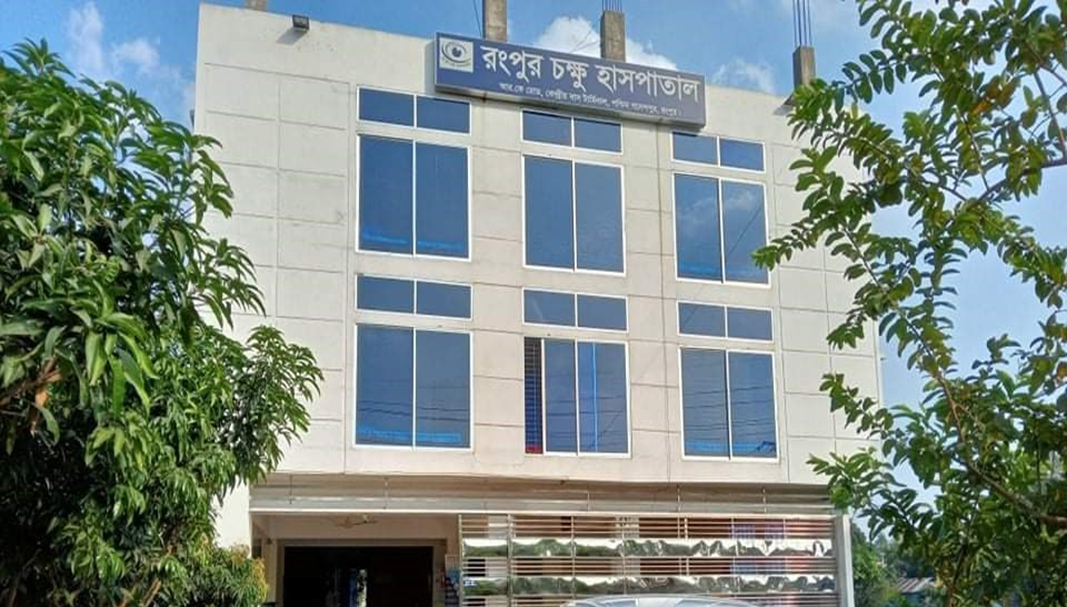
Rangpur Eye Hospital, established in 2020 and located on R.K. Road, Goneshpur, Rangpur, Bangladesh, is a non-profit, community-based, non-governmental organization dedicated to preventing and managing blindness and low vision.
Since its inception, the hospital has been committed to delivering quality, accessible, and affordable eye care services to the people of Rangpur Division — covering Rangpur, Gaibandha, Kurigram, Lalmonirhat, Nilphamari, Dinajpur, Thakurgaon, and Panchagar as well as other parts of Bangladesh.
In addition to hospital-based services, Rangpur Eye Hospital has actively reached out to underserved communities through multiple eye camps conducted in 2020, ensuring that essential eye care facilities are available to those in need. Guided by its mission to restore and protect vision, the hospital continues to play a vital role in enhancing the quality of life for individuals and communities across the region.
Promote Eye Health Awareness
Organize seminars, workshops, and awareness campaigns to enhance public knowledge and foster innovative strategies for eye care.
Expand Outreach Services
Conduct year-round outreach programs to treat preventable blindness and ensure affordable eye care for underserved communities.
Support National Initiatives
Implement integrated programs that support the National Eye Care Plan, aligning with national health priorities.
Contribute to Global Vision Goals
Work towards WHO’s global initiative “VISION 2020: The Right to Sight” by reducing avoidable blindness worldwide.
Capacity Building & Training
Provide specialized training for health workers, volunteers, teachers, and administrators to strengthen eye care delivery systems.
Prevent Childhood Blindness
Organize school-level screening programs to detect eye problems early and raise awareness among students and parents.
Establish Vision Centers
Set up vision centers in remote areas to deliver affordable, high-quality eye care services directly at the community level.
- Cost-effective control and prevention of major blinding diseases and disorders, with priority attention to Cataract, Childhood Blindness, Diabetic Retinopathy, Refractive Error, Low Vision, Corneal Infection, and Glaucoma.
- Eye care services should be long-term and sustainable regarding financial and personnel resources, and to ensure continuing demand.
- Internal and external training for medical and other staff to develop quality and capacity.
- Strengthening and optimal use of infrastructure and resources to fulfill customer needs.
- Services should be equitable, accessible, and available to both genders and across all society, not just the urban or privileged populations.
- Developing a referral network and promotion through satisfied patients with a strong community approach in the eye care sector.
- Maintaining standard clinical protocols to ensure high-quality care.